
In a world grappling with environmental challenges, the soap nut tree (Sapindus) stands as a beacon of hope. This unassuming tree, found in various regions of Asia and beyond, offers a remarkable solution to pollution while providing a plethora of ecological and cultural benefits.

A Pollution Fighter: Soap nuts, the fruit of the tree, contain natural saponins. These compounds produce a soapy lather when mixed with water, making them an eco-friendly alternative to chemical-laden detergents. As a result, soap nuts contribute to reducing water pollution and the release of harmful chemicals into the environment. They are a gift from nature to help combat the pollution crisis.
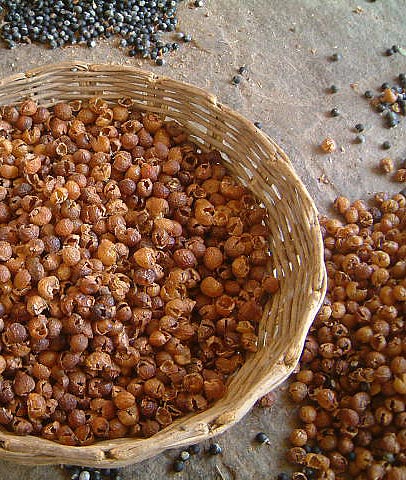
Ecological Benefits: Soap nut trees are a boon to biodiversity. They provide habitat and sustenance for various wildlife species. Additionally, their deep roots help prevent soil erosion, making them valuable for maintaining soil health. Their ability to thrive in arid conditions also aids in reforestation efforts.
Cultural Significance: Soap nuts have been used for centuries in traditional medicine and cosmetics. They hold cultural significance in many communities, with various rituals and festivals celebrating their harvest. Furthermore, these nuts are a symbol of sustainable living, reflecting a deep connection between humanity and the environment.
Versatile Uses: Apart from cleaning, soap nuts are used for hair care, skincare, and even as a pesticide. Their versatility makes them a valuable resource for sustainable living enthusiasts.
In a world seeking eco-friendly alternatives, the soap nut tree shines as a beacon of hope, addressing pollution, nurturing ecosystems, and enriching cultural traditions. Embracing this natural wonder is a step towards a cleaner, greener future.
Leave a Reply