
Category: 365 Days
-

Shade Tollerant Plants
When we create a food forest, we lose one very important resource, and that is light. Papayas, bananas, Moringa, fruit trees, etc., all make shade, and so we have to explore plants that are shade tolerant. The best of all these plants is Piper Longum which will comfortably grow in the full shade of a…
-
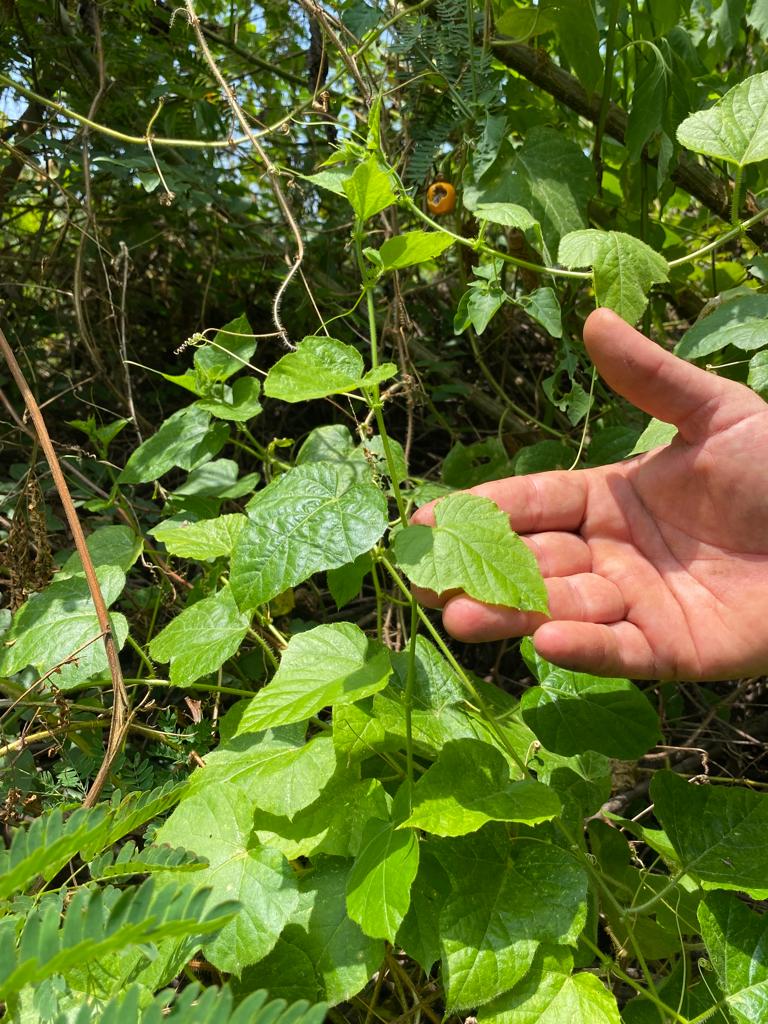
Wild Passion Fruit Leaves
Wild passion fruit has a very interesting leaf that can be eaten in salads and added to green chutneys. The leaf has a unique velvety texture and, at first, seems a little strange on the palate, but after chewing for some seconds, the taste is really delicious. Many such leaves grow around us, and I…
-
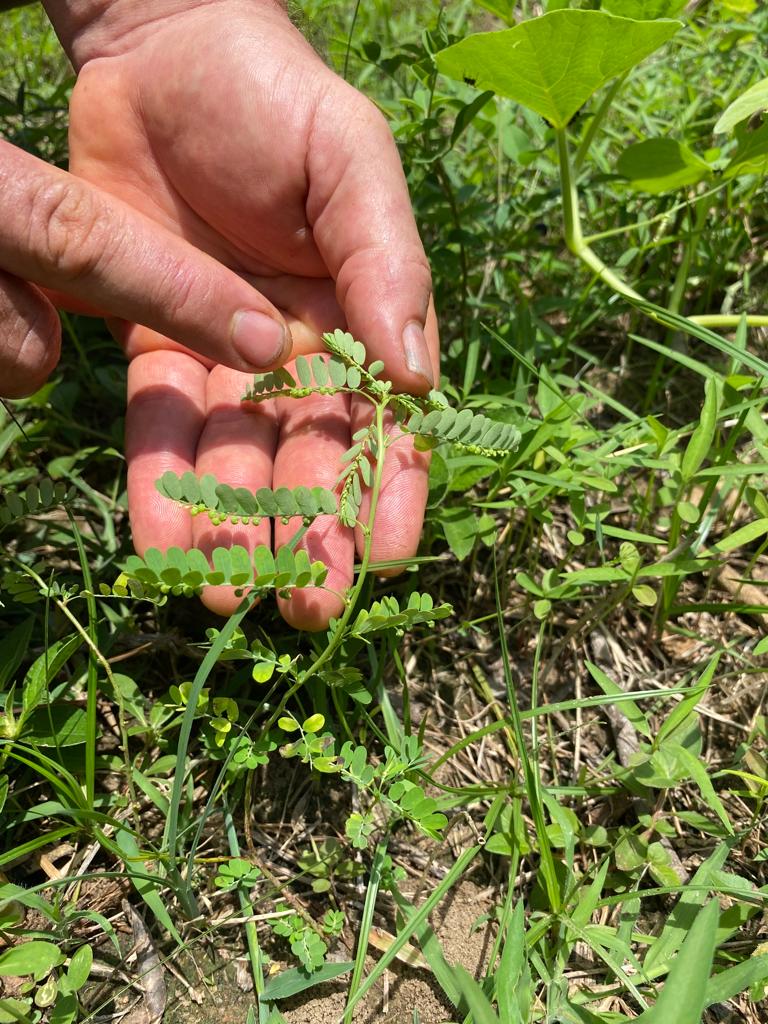
Keezhanelli (Phyllanthus niruri)
In Indian culture, the significance of traditional remedies like Keezhanelli (Phyllanthus niruri) is deeply rooted. This unassuming herb, known by its Latin name, holds a treasure trove of medicinal wonders. Indigenous to tropical regions, Keezhanelli has a rich history of supporting liver health, detoxification, and immune system strength. Respected for its antioxidant and anti-inflammatory properties,…
-

Idly Making With Leaves
In various cultures, the practice of steaming food in jackfruit leaves isn’t just about culinary delight; it’s a tradition woven with both cultural significance and medicinal benefits. This age-old practice has been cherished for generations, particularly in regions where jackfruit trees thrive. The medicinal properties of jackfruit leaves are noteworthy. Rich in antioxidants and flavonoids,…
-
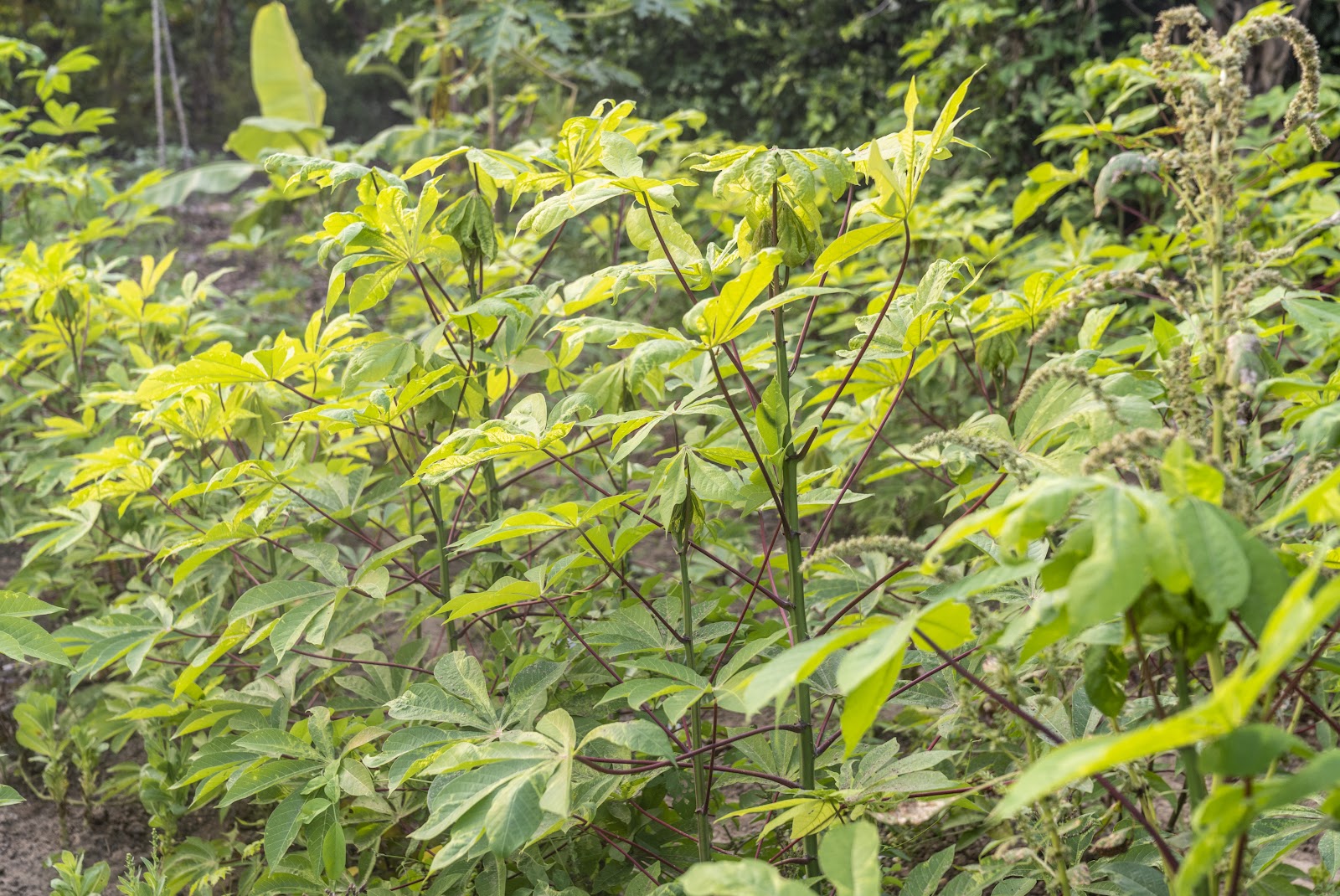
Planting tapioca
In India, probably the state where tapioca is mostly consumed is Kerala. In Kerala, it is locally called “Kappa,” and in Tamil Nadu, we call it “maravalli kizhangu or Kuchi kizhangu”. Kuchi means stick in Tamil and Kizhangu means rubber. So it is a tuber that grows from a stick. This plant takes 10 months…
-

Nemutenga: The Assamese Lemon
Nemutenga, the indigenous lemon of Assam, captivates both taste buds and culture. This citrus gem, with its distinct aroma and flavor, holds a treasure trove of health benefits. Health Benefits: Rich in Vitamin C, nemutenga strengthens the immune system, aiding in the fight against infections. Its potent antioxidants help combat free radicals, promoting radiant skin…
-

Pigeon pea/ Tuvar dal
Perennial Thoor Dal (Cajanus cajan) emerges as a game-changer in the pursuit of sustainable agriculture and food security, boasting a host of nutritional and culinary values. Unlike traditional annual crops, this remarkable legume continues to yield year after year without replanting, making it an eco-friendly and resource-efficient choice for farmers. The resilience of perennial Thoor…
-
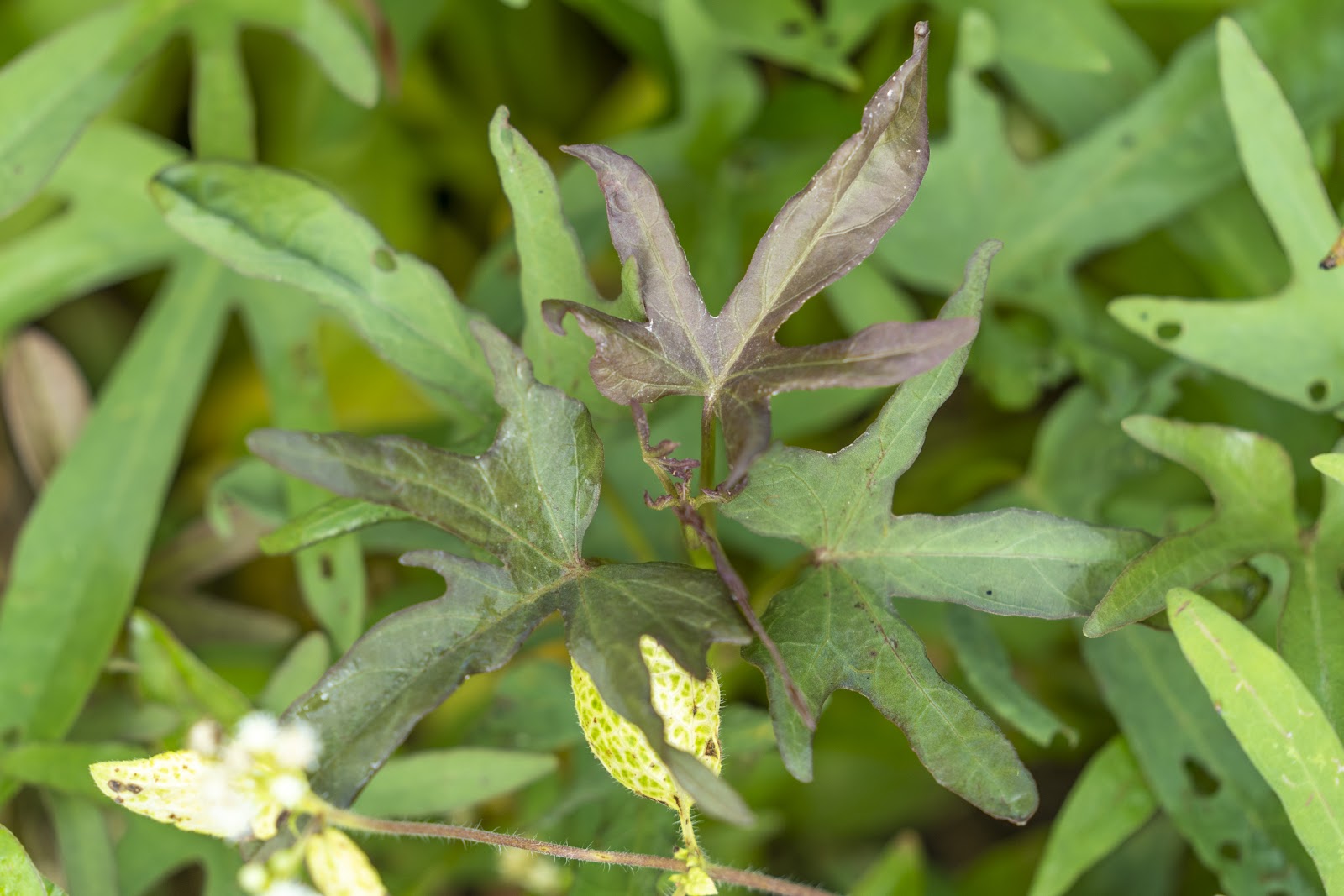
Sweet potato Leaf
Amidst the sprawling fields of sweet potato plants, a lesser-known treasure thrives – the sweet potato leaves. While most of us associate sweet potatoes with their delectable tubers, we often overlook the incredible benefits and possibilities that their vibrant green foliage holds. Nestled amidst the tender leaves lies a nutritional powerhouse. Bursting with vitamins A,…
-

Balloon vine seeds
Balloon vine, or mudakathan in Tamil, is called Cardiospermum in Latin. This delightful vine, with beautiful feathery leaves, is great for treating skin conditions, such as eczema, acne, dandruff, etc, and also contains anti-inflammatory agents, which help relieve pain in arthritis. I love the way at Solitude Farm cafe, how we use the balloon vine…
-

Mustard
Growing mustard in a vegetable garden offers many benefits, making it a valuable addition to any gardener’s repertoire. Firstly, mustard leaves add nutritional diversity to our diet, boasting high levels of vitamins, minerals, and antioxidants. They lend a distinct peppery flavor to salads, stir-fries, and other dishes. Mustard seeds are also rich in oil, which…