
Tag: culture redemption
-
Rediscovering Nutritional Riches in Local Foods During the Pandemic
In the Corona time, what shall we eat local foods? Again, there is a nutritional treasure chest that’s growing around us, and when we start to leave nature alone, she starts to come back and offer us these gifts. Check them out here. In these challenging times, as the world grapples with the ongoing pandemic,…
-
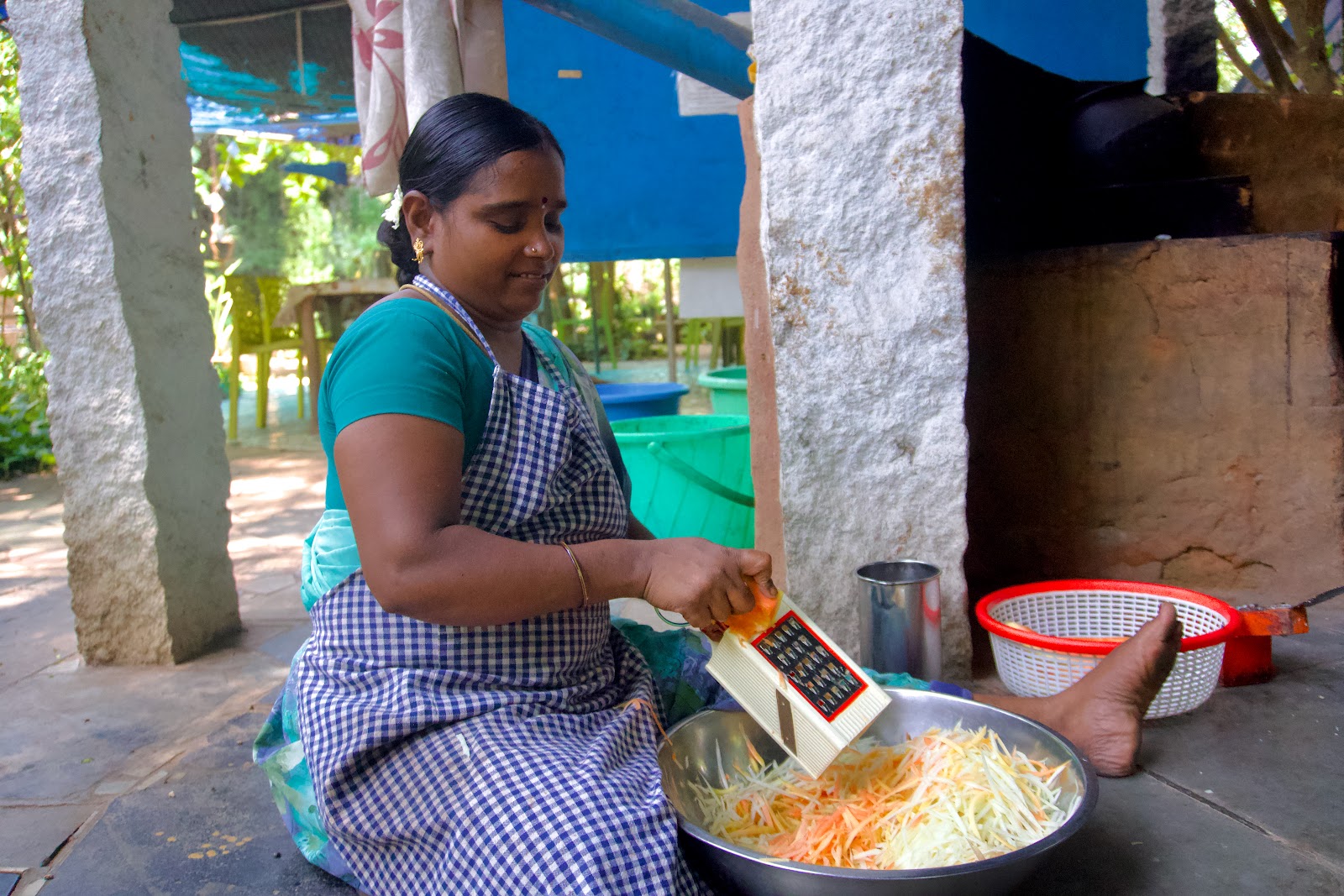
How Do I Know What I Know
When I came to Auroville 30 years ago, I worked with village ladies digging catchment ponds, building roads, harvesting and threshing rice and millets, milking cows and preparing cow feed, and cleaning the cow shed. These ladies showed me how to plaster the floor with cow dung and how to build walls with…
-
The Last Custodians of Cultural and Nutritional Identity- 8
In my early years in Auroville, when I started farming, I had a very successful tapioca crop. My village neighbors would come and buy the tapioca for Rs. 2.50 per kilo. I started to understand how valuable tapioca was for them as a local food. They would eat it raw, make chips, make flour, and…
-
The Last Custodians of Cultural and Nutritional Identity- 7
Slow food has become a very popular movement in the West; in local villages throughout India, women would wake up at the crack of dawn, draw water from a well, sweep their doorsteps, and pound millets into flour. In Tamil Nadu, as in many other states, ragi or finger millet was a staple food, and…
-
The Last Custodians of Cultural and Nutritional Identity- 6
People often come to the cafe, asking for natural remedies for kidney stones. Village ladies have taught me many traditional remedies using local plants. For kidney stones, they recommend taking the juice of the banana stem. Traditionally, they also cook it in different ways. Illustrating the famous Tamil proverb, “உணவே மருந்து- Food is medicine.”
-
The Last Custodians of Cultural and Nutritional Identity- 5
People have forgotten the value of local weeds that grow around them. The traditional village ladies did not have that luxury. They were most often paid for their labour with grains. And edible weeds were highly valued as an addition to the meal. Weeds were collected while grazing cows and goats. Grandmothers passed their knowledge…
-
The Last Custodians of Cultural and Nutritional Identity- 4
The old women represent ancestral wisdom by caring for their families with healthy meals from local ingredients. Their culinary prowess not only sustains but also revitalizes cultural identity. Through cherished recipes, they bridge generations, infusing each dish with the essence of tradition. One such gem is the use of drumstick spinach, celebrated for its health…
-
The Last Custodians of Cultural and Nutritional Identity- 3
Old people in the village tell me that 50 years ago, there was no money. Mothers had to feed their families. There were no Maggie noodles you could buy at the village shops, so what did they eat? “Local foods”. Women had a treasure trove of knowledge with which they feed their families. One of…
-
The Last Custodians of Cultural and Nutritional Identity- 2
If you ask any old lady in the village, “What vegetables did you eat as a child?” She won’t talk about potatoes or carrots, broccoli or cauliflower; she’ll talk about vegetables like plantain, cooking banana. Available all year round, she knows how to cook it in different ways and how to satisfy her children’s hunger.…